Free Beat Guide to Hard Trap Instrumentals
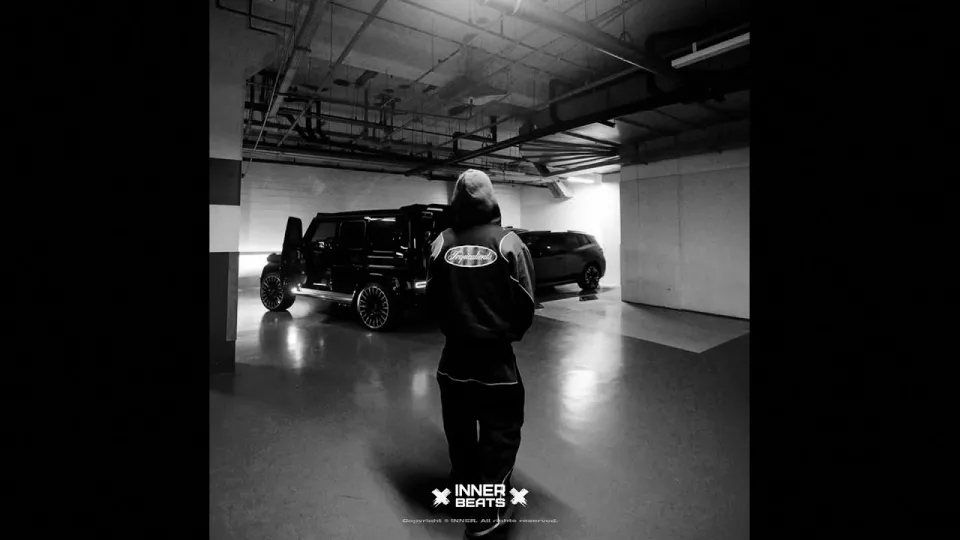
Video: "LOCKED IN" | Trap Type Beat | Freestyle Beat | Type Beat | Hard Type Beat | Rap Type Beat 2026
Need articles like this for your video? They help promote it on YouTube and Google — order them in the Telegram bot @sat_sit_bot. It writes articles around your video, embeds the video and publishes them on popular niche websites (no ads). Free trial — 50 articles.
· based on the channel INNER BEATS
A free beat is a downloadable instrumental you can use to write and record a song under the producer's license terms, not a transfer of ownership. In practice, that means you get the audio file and permission to record over it, while the producer keeps the copyright. A clear current example is "LOCKED IN" from the channel INNER BEATS, a hard trap type beat at 171 BPM in G# minor that you can grab through the producer's free download and license link.
What a free beat actually gives you
A free beat is a license, not a gift of the composition. When a producer tags a file "free beat" or "free type beat," the usual arrangement is a free download for demos, practice, freestyle sessions and non-commercial uploads, with paid tiers for anything that generates money. The instrumental itself stays the producer's intellectual property.
That distinction matters because the word "free" in search results covers several different products:
- Free tagged beats for practice, where a producer's voice tag sits over the audio.
- Free untagged beats for non-profit use, often with a required credit line.
- Lease licenses sold for a small fee, usually capped by streaming and sales limits.
- Exclusive licenses, where the producer removes the beat from sale and transfers broader rights.
"LOCKED IN" sits in the first two categories: the download is free, but the description is explicit that releasing a song to streaming services requires a license that fits your release, and that registering the song with BMI, ASCAP, WIPO, OMPI or any content ID system is off-limits without an exclusive license.
Inside the "LOCKED IN" instrumental
"LOCKED IN" is a hard trap type beat built for freestyle and rap vocals, published by INNER BEATS. The description lists two numbers that do most of the practical work for a rapper: 171 BPM and the key of G# minor.
Tempo first. 171 BPM reads fast on paper, but trap is usually counted in half-time feel, so the practical pocket lands around 85–86 BPM. That is a comfortable mid-tempo for triplet flows, double-time bursts and stop-start cadences. If a 171 BPM click feels frantic, count every second hi-hat as the beat and the groove settles immediately.
Key second. G# minor is a dark, tense tonality, which matches the "hard type beat" and "dark trap type beat" framing the producer uses. For writers, it means minor-key melodies, moody pads and aggressive 808 patterns sit naturally; for singers layering hooks, it sets a low, brooding register.
The structure follows a standard type beat layout, moving through hook, verse, hook, verse and outro sections. That arrangement is deliberately repetitive so a writer can map a 16-bar verse and an 8-bar hook without fighting the beat.
How to write and record over a free trap beat
Start by matching your flow to the half-time pulse rather than the raw BPM number. A beat at 171 BPM in G# minor rewards writers who treat the hi-hats as the grid and the kick as the anchor.
A workable process:
- Download the file from the producer's link and note the tempo and key before you open your DAW.
- Set your project to 171 BPM so any MIDI or reference loops line up, then count the groove in half-time.
- Loop the hook section and freestyle eight bars until a cadence sticks; the comments on this beat show writers doing exactly that, drafting full verses and hooks in several languages.
- Write the hook first. On a hard trap type beat, the hook carries the energy and the verses can stay conversational.
- Record a rough vocal, then check whether the beat needs to be turned down a few dB so the vocal sits forward.
- Keep the tagged version for demos and only publish a release once you have the right license in place.
The beat's dark, minimal character means the vocal is the main event. Leave space, use ad-libs sparingly, and let the 808 carry the low end instead of stacking your own sub-bass on top.
Free beat licensing mistakes to avoid
A free beat download does not make a song yours to monetize. The most common error is uploading a track built on a free instrumental to streaming platforms, then registering it with a rights organization or a content ID system. That is precisely what the "LOCKED IN" description prohibits without an exclusive license.
Other traps worth knowing:
- Assuming a credit line replaces a license. Credit is usually required in addition to a license, not instead of one.
- Ignoring streaming and sales caps in lease agreements, which are typically defined per release.
- Using a tagged demo beat on a paid release.
- Forgetting that content ID registration can trigger claims against your own uploads if the producer's rights are not cleared.
- Treating a lease as exclusive. Only an exclusive license removes the beat from further sale.
If your goal is a profit-generating release, buy the tier that matches your distribution plan before you upload, not after a claim appears.
Reading the type beat label correctly
A type beat is an original instrumental made in the style of a known artist or scene, not a copy of an existing song. The tags on "LOCKED IN" — trap type beat, freestyle beat, hard type beat, rap type beat, dark trap beat — describe the mood and use case, not a specific artist's catalogue.
That matters for search: someone looking for a free beat to freestyle over needs an open, loopable arrangement, while someone hunting a hard type beat wants aggressive drums and a dark minor-key melody. "LOCKED IN" is labeled for both, which is why the comment section mixes freestyle drafts, hook ideas and full verses in Polish, Spanish, French, Italian and Hindi. The beat is flexible enough to carry different languages and flow styles without changes.
When browsing type beats, check three things before downloading: the tempo and key in the description, the license terms, and whether the arrangement leaves room for a 16-bar verse. Those three details save more time than any amount of scrolling.
Useful links
- Free download and license for "LOCKED IN": https://bsta.rs/ES9Of7
- Producer on Instagram: https://www.instagram.com/prod_by_inner/
- Producer on Telegram: https://t.me/prodbyinner
Final take
A free beat is a starting point, and "LOCKED IN" is a solid one: 171 BPM, G# minor, hard trap drums and a hook-verse-hook layout that suits freestyle and full songwriting alike. Download it through the producer's link, write to the half-time feel, and sort out the license before anything goes to streaming or a rights organization. The channel INNER BEATS publishes these instrumentals with tempo, key and licensing terms stated up front, which is exactly what a rapper needs to make a fast, informed decision. Treat the free tier as a demo tool and the paid tiers as the path to a release you actually own the paperwork for.
Key takeaways
- A free beat is a downloadable instrumental you can use under a license, not a copyright transfer.
- "LOCKED IN" by INNER BEATS runs at 171 BPM in G# minor and is free to download via the producer's link.
- Free downloads usually allow non-profit use only; streaming releases need a paid license.
- You cannot register a song on BMI, ASCAP, Content ID or similar systems without an exclusive license.
- At 171 BPM the beat sits in double-time territory, roughly 85.5 BPM felt half-time.
Questions & answers
Is a free beat really free to use for a released song?
Only within the limits of the free license. Free downloads typically cover practice, demos and non-commercial use, while streaming releases require a paid lease or exclusive license. Check the producer's terms before uploading anything that earns money.
What does 171 BPM mean for rapping over "LOCKED IN"?
Trap is counted in half-time feel, so 171 BPM reads as roughly 85–86 BPM in practice. That gives a mid-tempo pocket that works for triplet flows and double-time bursts without feeling rushed.
Can I register a song made on a free type beat with BMI or Content ID?
No, not without an exclusive license. The producer's terms for "LOCKED IN" explicitly prohibit registration with BMI, ASCAP, WIPO, OMPI or any content ID system unless you hold an exclusive license.
Why do so many people freestyle over the same type beat?
Type beats are built with open, repetitive arrangements — hook, verse, hook, verse, outro — so many writers can map their own structure quickly. A dark minor-key beat in G# minor also suits a wide range of languages and flow styles, which is why drafts in several languages show up under one instrumental.
Source: "LOCKED IN" | Trap Type Beat | Freestyle Beat | Type Beat | Hard Type Beat | Rap Type Beat 2026 · Markdown version